How Plastic-Free Packaging Is Shaping the Future of Food Brands
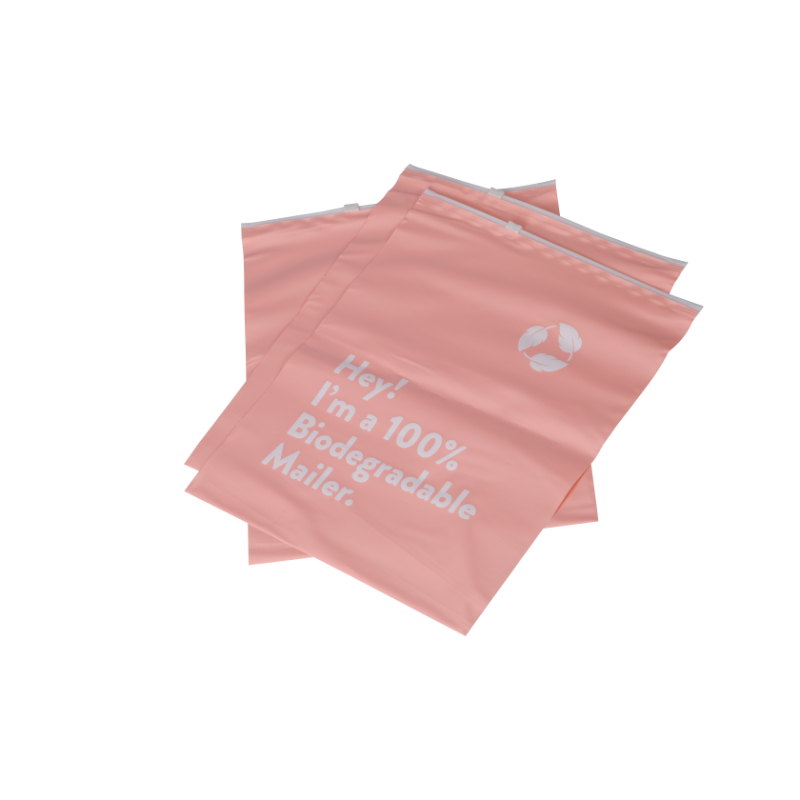
As environmental concerns rise, plastic-free packaging is becoming a vital aspect of modern food brands. Consumers increasingly prefer products with biodegradable packaging that reduce plastic waste. This shift not only addresses climate change but also aligns with the values of eco-conscious customers. In fact, studies suggest that brands adopting sustainable practices see a 30% increase in customer loyalty compared to those that don’t.
1. Importance of Plastic-Free Packaging
1.1 Addressing Environmental Issues
1.2 Meeting Consumer Expectations
1.3 Enhancing Brand Image
1.1 Addressing Environmental Issues
Plastic production contributes significantly to pollution and waste. With over 300 million tons of plastic produced each year, the urgency for change is clear.
1.2 Meeting Consumer Expectations
Today’s consumers are savvy, and they prefer brands that show responsibility towards the environment. Over 70% of consumers are willing to pay more for sustainable options, signaling a market demand.
1.3 Enhancing Brand Image
Food brands adopting plastic-free packaging often enjoy a positive public perception. Brands like Yifu Packaging have successfully positioned themselves as eco-friendly, which enhances customer trust and loyalty.
2. Challenges in Transitioning to Plastic-Free Packaging
2.1 Cost Implications
2.2 Sourcing Sustainable Materials
2.3 Consumer Education
2.1 Cost Implications
The initial costs of biodegradable options can be higher. Brands often face challenges balancing these costs while remaining competitive.
2.2 Sourcing Sustainable Materials
Finding reliable suppliers for sustainable materials is not always straightforward. Brands need to prioritize partnerships with trustworthy manufacturers, such as those from China's biodegradable packaging factory.
2.3 Consumer Education
Brands must educate consumers about the benefits of switching to plastic-free packaging, emphasizing sustainability and health. This requires strategic marketing efforts.
3. Benefits of Plastic-Free Packaging for Food Brands
3.1 Increased Sales
3.2 Competitive Advantage
3.3 Long-Term Sustainability
3.1 Increased Sales
Brands that shift to eco-friendly packaging may see a rise in sales. Evidence shows sustainable brands experience a 20% growth rate above their peers.
3.2 Competitive Advantage
Being an early adopter of plastic-free packaging can differentiate brands in a crowded market. It positions them as innovators and socially responsible.
3.3 Long-Term Sustainability
Making the transition now prepares brands for future regulations aimed at reducing plastic use, ensuring they are ahead of the curve.
4. The Future of Food Brands with Plastic-Free Solutions
4.1 Innovation in Sustainable Materials
4.2 Evolving Consumer Preferences
4.3 Regulatory Trends
4.1 Innovation in Sustainable Materials
Expect to see a surge in innovative materials that could replace plastic, enhancing biodegradability and functionality in food packaging.
4.2 Evolving Consumer Preferences
As consumer awareness increases, brands will need to adapt to the growing demand for sustainability in their products.
4.3 Regulatory Trends
Governments worldwide are increasingly legislating against single-use plastics. Brands must be proactive in adapting to these changes to ensure compliance.
5. Conclusion
The shift towards plastic-free packaging is not just a trend but a necessary evolution for food brands. Embracing biodegradable packaging can drive benefits, including improved sales, enhanced brand loyalty, and sustainability. Brands that act now will be best positioned for the future.


Comments
Post a Comment